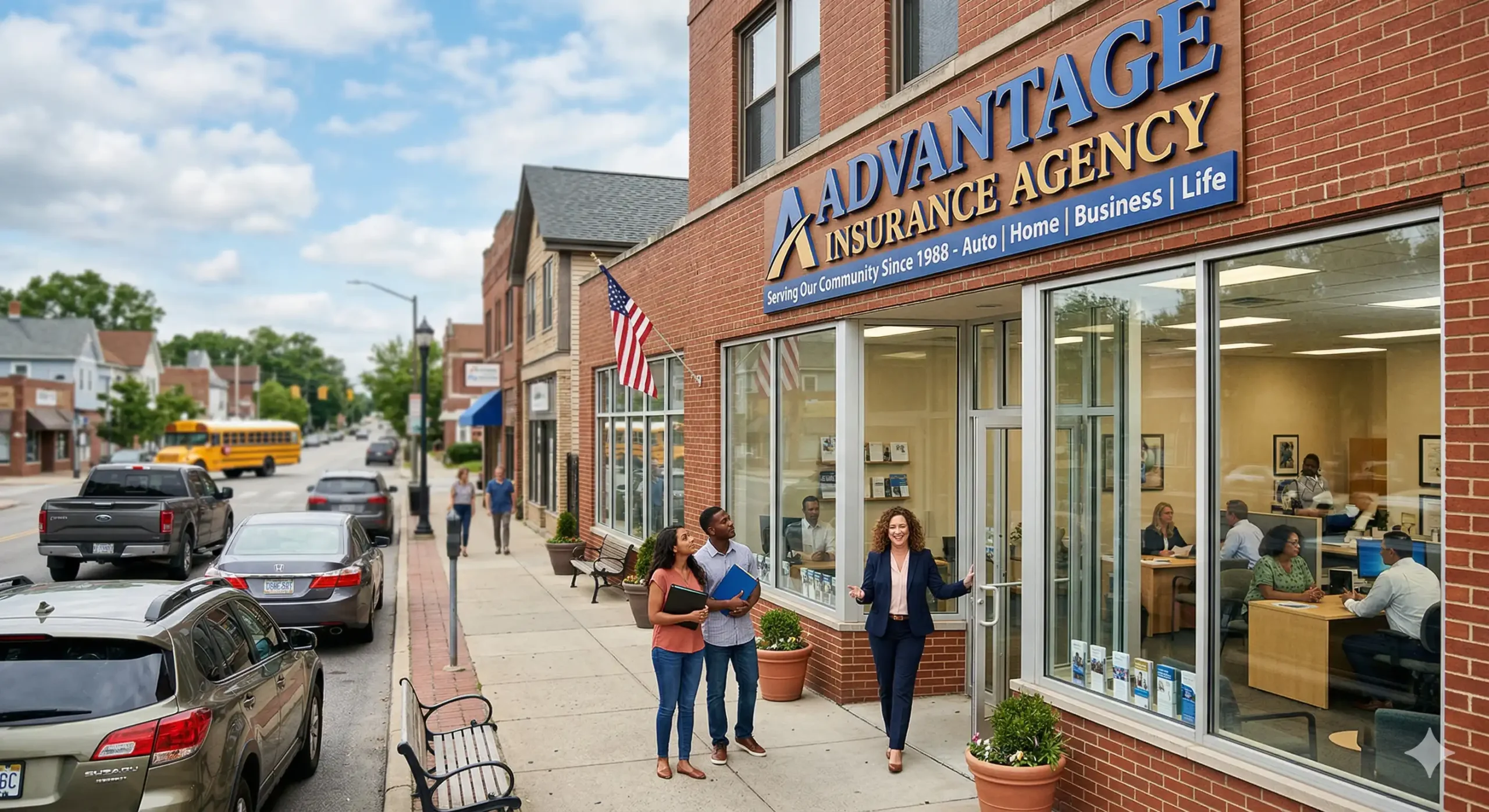
Walking into an insurance agency, or even just calling one up, isn’t usually on anyone’s top ten list of fun activities. Let’s be real—insurance is one of those things we all pay for, but hope we never actually have to use. Whether you are buying your first home in the suburbs of Chicago, starting a small business in Texas, or just trying to get your teenager legally on the road in California, navigating the US insurance landscape can feel incredibly overwhelming.
The industry is full of complex jargon, endless paperwork, and fine print that seems designed to confuse you. But here is the good news: having the right partner in your corner changes everything.
Finding an insurance agency that treats you like a human being rather than a policy number is the secret to getting great coverage without overpaying. Here is a down-to-earth guide on how to choose an agency that genuinely has your back.
The Elephant in the Room: What Exactly Is an Insurance Agency?
Before we dive into how to find a good one, we need to clarify what an insurance agency actually does. People often confuse the “agency” with the “carrier.”
The carrier is the massive corporation (like Geico, State Farm, or Progressive) that actually holds the money, writes the overarching policy, and pays out your claims.
An insurance agency, on the other hand, is the localized business that sells those policies to the public. The agents working there are the ones who assess your life, look at your risks, and recommend the exact amount of coverage you need. They are your advisors, your sounding board, and your first line of defense when disaster strikes.
The Two Types of Agencies You Will Encounter
When you start shopping around the USA, you are going to run into two distinct business models. Knowing the difference will save you a lot of headaches.
1. Captive Agencies
These agencies are “held captive” by a single massive carrier. If you walk into a State Farm or an Allstate office, you are dealing with a captive agency.
- The Good: They know their specific company’s products inside and out. The buying process is usually very streamlined.
- The Bad: They can only sell you policies from that one company. If their company raises rates in your state, the agent can’t simply move you to a cheaper carrier.
2. Independent Agencies
An independent insurance agency is a free agent. They partner with dozens of different carriers—from household names to smaller, regional companies you might not have heard of.
- The Good: They do the shopping for you. If your auto rates go up, they can pull quotes from five other carriers to keep your premium down.
- The Bad: Because they deal with so many companies, the initial quoting process can sometimes take a little longer.
Why the “Human Touch” Matters in American Insurance
In the age of algorithms, apps, and instant online quotes, it is tempting to just download an app, click three buttons, and buy the cheapest legally allowed minimum coverage. But life is messy, and algorithms don’t know your specific story.
A great local insurance agency provides the human touch that a website simply cannot.
Imagine a massive storm hits your town, causing a tree to fall on your roof. If you bought your policy from a faceless website, you are going to spend hours on hold with a national 1-800 number, trying to explain your situation to a different customer service rep every time you call.
If you have a local agent, you call them. They already know your name. They might even live in the same county and know exactly how bad the storm was. A good agent will walk you through the claims process step-by-step, advocate for you if the carrier is dragging their feet, and reassure you that things are going to be okay. That kind of peace of mind is priceless.
Red Flags: When to Walk Away
Not all agencies are created equal. As you shop around, keep your eyes peeled for these warning signs:
- They push on price alone: If an agent’s only selling point is “I can get you the cheapest rate,” be careful. Cheap insurance often means terrible coverage. A good agent will explain what you are buying, not just how little it costs.
- They don’t ask questions about your life: An agent can’t protect you if they don’t know you. If they aren’t asking about your commute, whether you have a trampoline in your backyard, or if you run a side-hustle from your garage, they are just trying to make a quick sale.
- They are impossible to reach: Test their communication before you buy. If it takes them three days to return a simple phone call when you are trying to give them money, imagine how long it will take when you need to file a claim.
Questions You Must Ask Before Signing
When you finally sit down with an agent (or get them on a Zoom call), take control of the conversation. Treat it like a job interview, because you are essentially hiring them to protect your financial future.
- “How often will we review my policy?” (A great agency will proactively reach out once a year to make sure your life hasn’t changed in a way that requires new coverage).
- “If I have a claim, do I call you or the carrier directly?” (You want an agency that helps facilitate the claim, not one that just hands you a 1-800 number and wishes you luck).
- “Are there any discounts I am currently missing?” (Good agents know about obscure discounts for safe driving apps, home security systems, or alumni associations).
The Bottom Line
Your home, your car, your business, and your family are the most important things in your life. Protecting them shouldn’t be left to a random online calculator.
Take the time to find an insurance agency that values the human connection. Look for someone who is patient enough to explain the difference between comprehensive and collision, and empathetic enough to guide you through your worst days. When you find an agent who treats you like a neighbor instead of a transaction, you will know you are in the right place.